
Engineered for A Delightful Traffic Flow
A comprehensive suite of intelligent, regenerative vertical transportation solutions designed for future-ready commercial and residential architecture.
LIFTS PORTFOLIO
Categories
We offer five core classes of vertical transit, each engineered with predictive dispatch algorithms and net-zero regenerative drives.
Highly Reliable Traffic Handling
Heavy-Duty Logistics
Custom Engineering
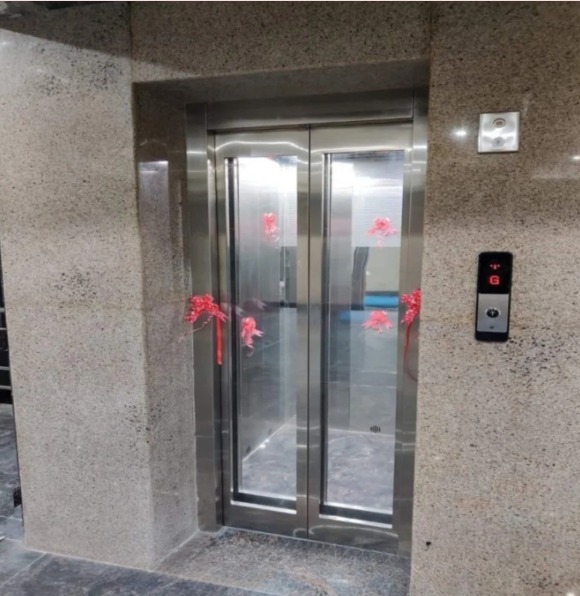
Passenger Lifts
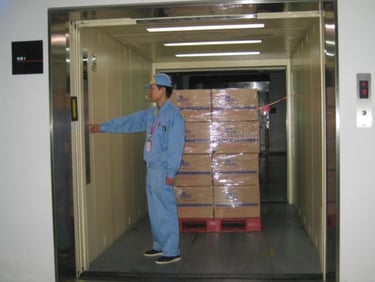
Freight Lifts
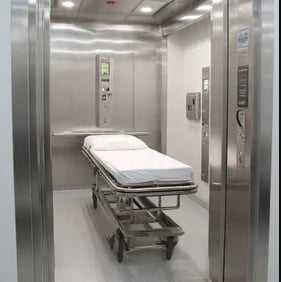
Special Lifts
Sleek, panoramic passenger elevators and low-profile residential lifts designed as high-transparency architectural centerpieces.
High-capacity freight systems and efficient dumbwaiters engineered to optimize material flow in demanding commercial environments.
Bespoke vertical and inclined transit solutions engineered for extreme industrial conditions, marine environments, and complex envelopes.
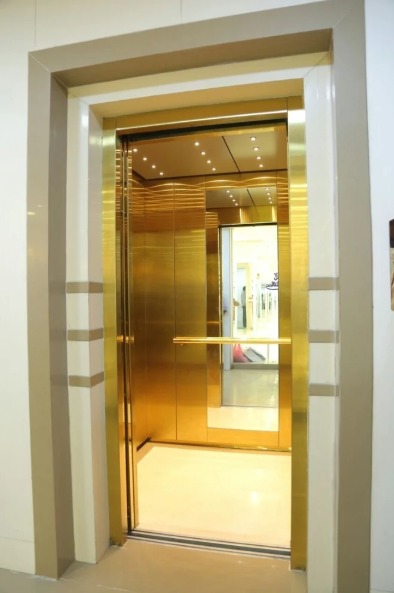
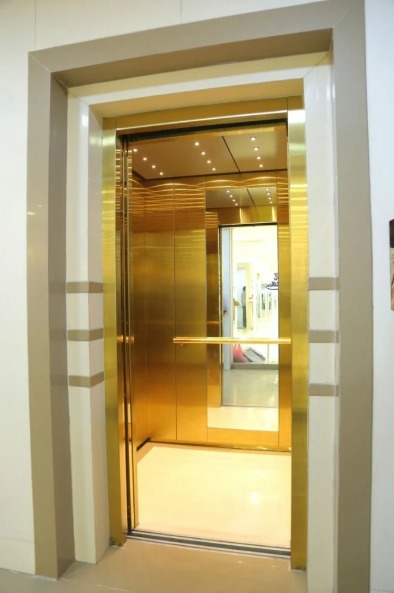
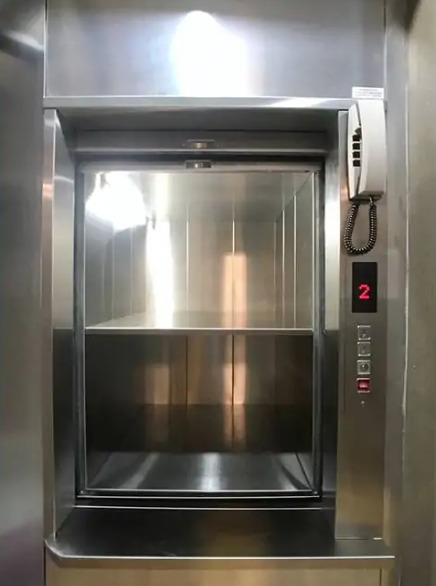
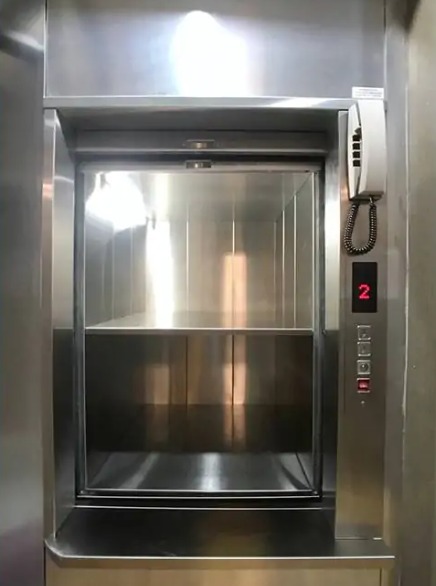
High Aesthetics
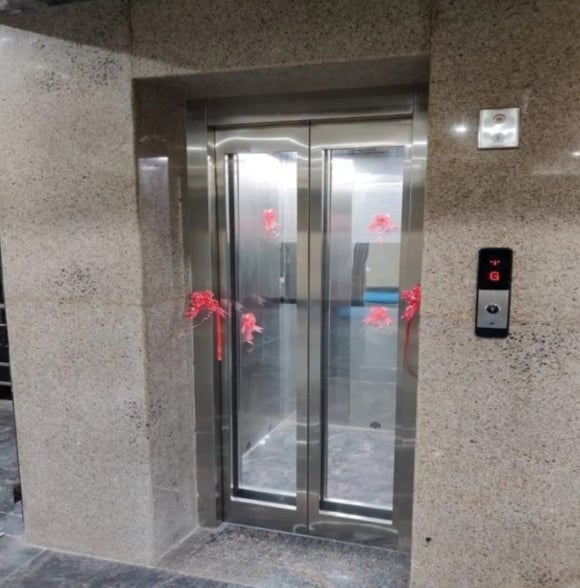
Home Lifts
Sleek, panoramic passenger elevators and low-profile residential lifts designed as high-transparency architectural centerpieces.
Light Logistics and Precision
Dumbwaiters
Sleek, panoramic passenger elevators and low-profile residential lifts designed as high-transparency architectural centerpieces.
TECHNOLOGICAL PORTFOLIO
Traction & Hydraulics
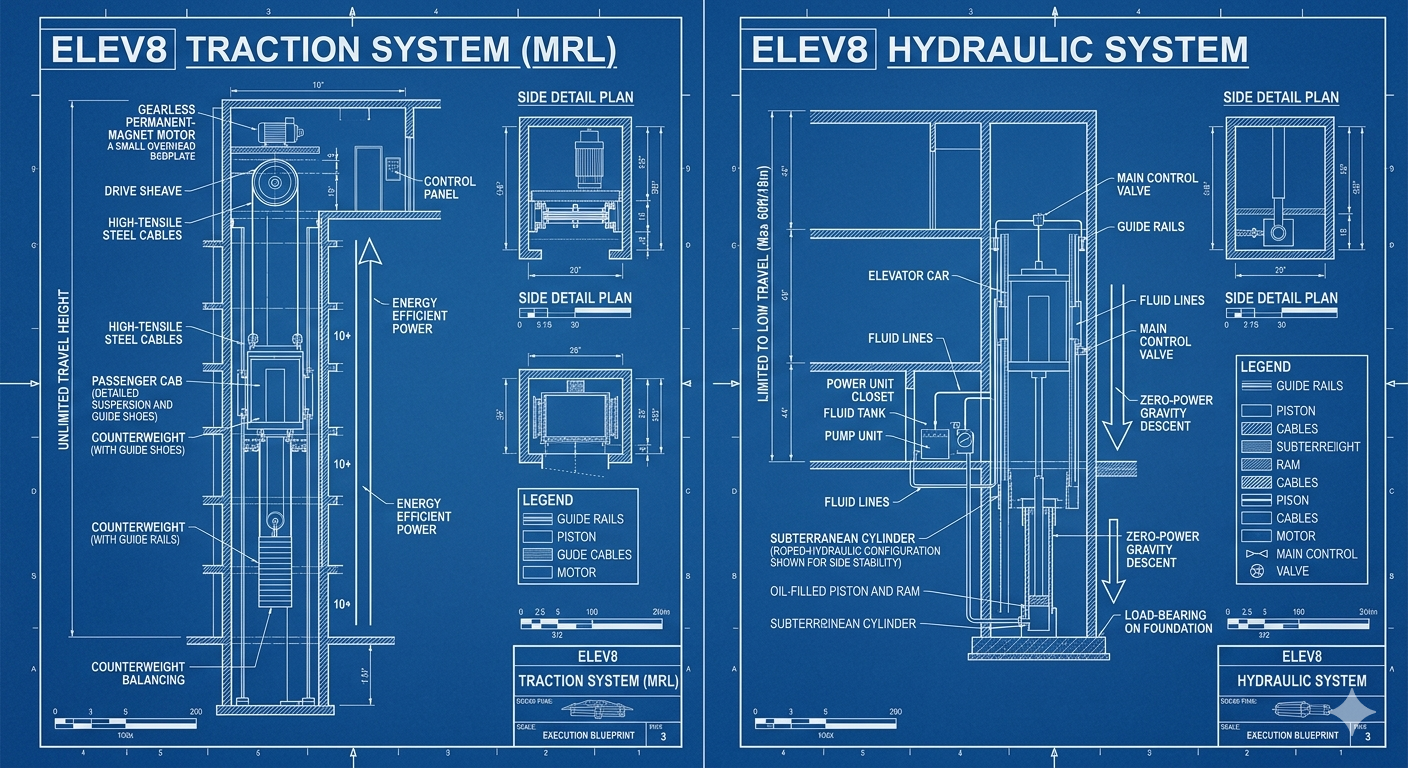
Elev8 Hydraulic Technology: High-Capacity Low-Rise Lifting
Hydraulic technology replaces overhead machinery with fluid-driven pressure. This technology is strictly limited to low travel heights (typically under 60 feet or 5–6 stories) but offers unmatched structural strength.
The Piston Fluid Assembly: The Elev8 cab sits directly on top of, or is side-slung from, a heavy-duty steel piston (ram) enclosed inside an airtight subterranean or surface cylinder.
Ascension Through Fluid Displacement: When a passenger calls the elevator upward, an electric pump forces pressurized hydraulic fluid from a storage tank into the base of the cylinder. The rising fluid accumulation physically pushes the piston upward, lifting the cab.
Zero-Power Gravity Descent: To lower the elevator, the control system opens an electronic valve. The weight of the cab naturally forces the fluid back into the reservoir tank without needing the motor to spin. This translates to near-zero electrical consumption on downward trips.
Low Travel Height Limitations: Because the piston must be long enough to push the cab to the top floor, the system becomes physically impractical for buildings taller than 5-6 stories. Extensively long cylinders risk bending or require prohibitively deep structural drilling under the foundation.
The Load-Bearing Benefit: Unlike traction systems where the entire weight hangs from the roof beams, hydraulic loads are transferred directly into the ground through the piston base. This drastically reduces structural reinforcement costs for the surrounding building frames.
Elev8 Traction Technology: High-Performance Vertical Transit
Traction is our most commonly specified, energy-efficient, and highly reliable lifting mechanism. It is engineered to comfortably support mid-to-high-rise travel heights without structural limitations.
The Counterweight Principle: The system operates like a mechanical scale. The passenger cab is connected via high-tensile steel cables or composite belts to a heavy counterweight. This balances the weight of the car, matching the empty cab plus roughly 40-50% of its maximum capacity.
The Drive Sheave Motor: Rather than hoisting the full dead-weight of the cab from scratch, an advanced electric motor turns a grooved pulley called a drive sheave. The cables grip this pulley, relying on friction (traction) to raise or lower the cab.
Drastically Reduced Energy Loads: Because the counterweight offsets the cab’s mass, the motor only works to overcome the difference in weight between the two sides. This makes traction units exceptionally eco-friendly and inexpensive to power over time.
Unlimited Vertical Travel: Because cables can scale to virtually any length, traction technology features an unrestricted travel height. This makes it the standard architectural layout for high-density commercial centers, residential complexes, and tall buildings.
Machine Room-Less (MRL) Engineering: Modern systems utilize gearless permanent-magnet motors. These compact units fit entirely within the existing elevator shaft (hoistway), eliminating the need for a dedicated rooftop machine room and freeing up valuable floor space.
Driving Mechanisms
Specify your Requirements
Request Technical Assistance, Brochures, or custom shaft dimension plans. Our expert team will get in touch with you.

